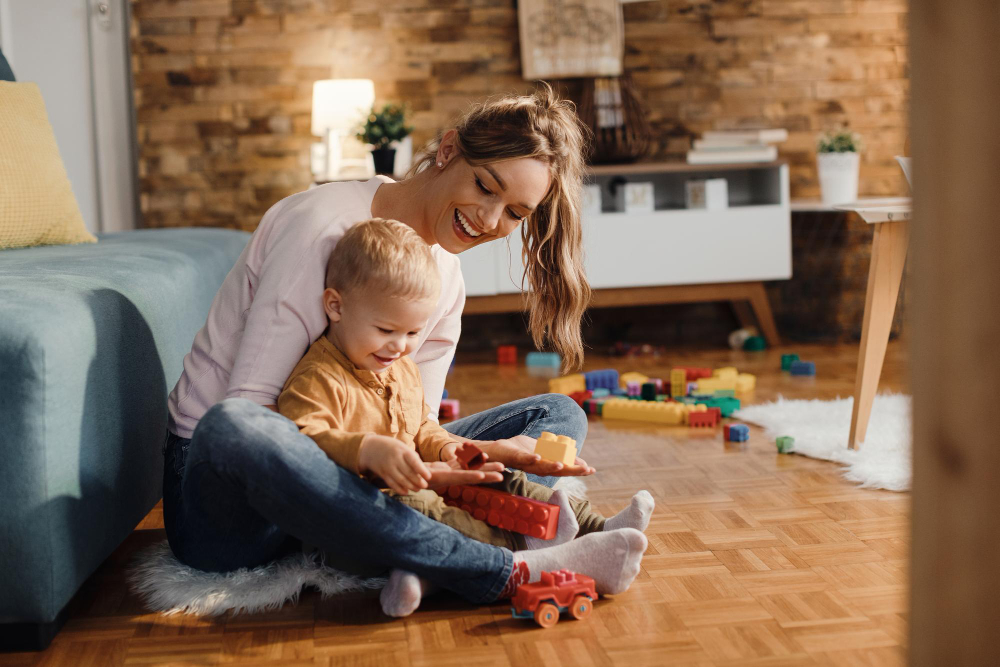
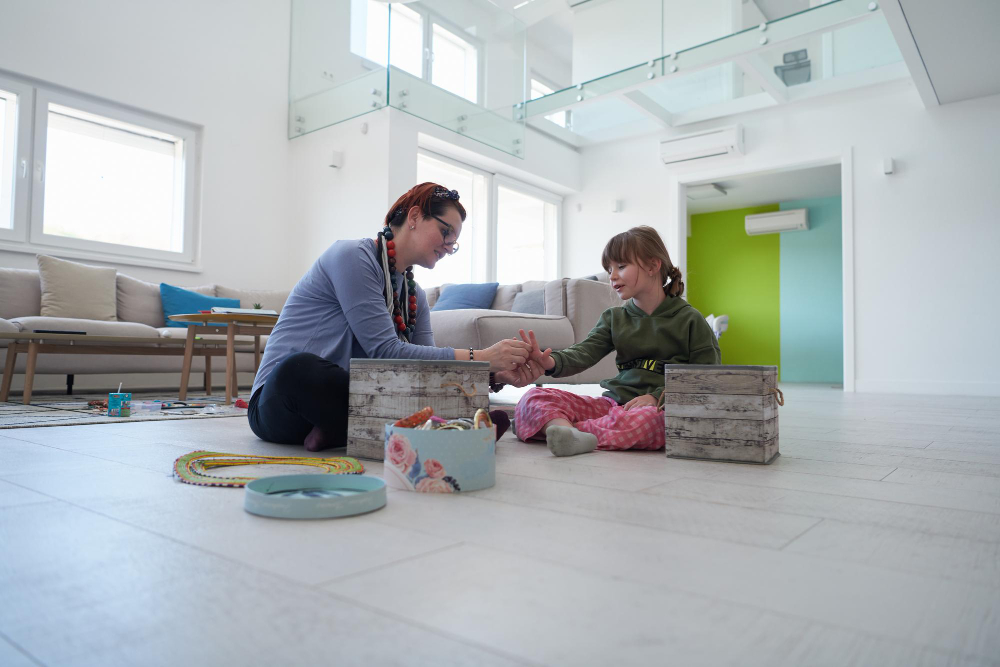
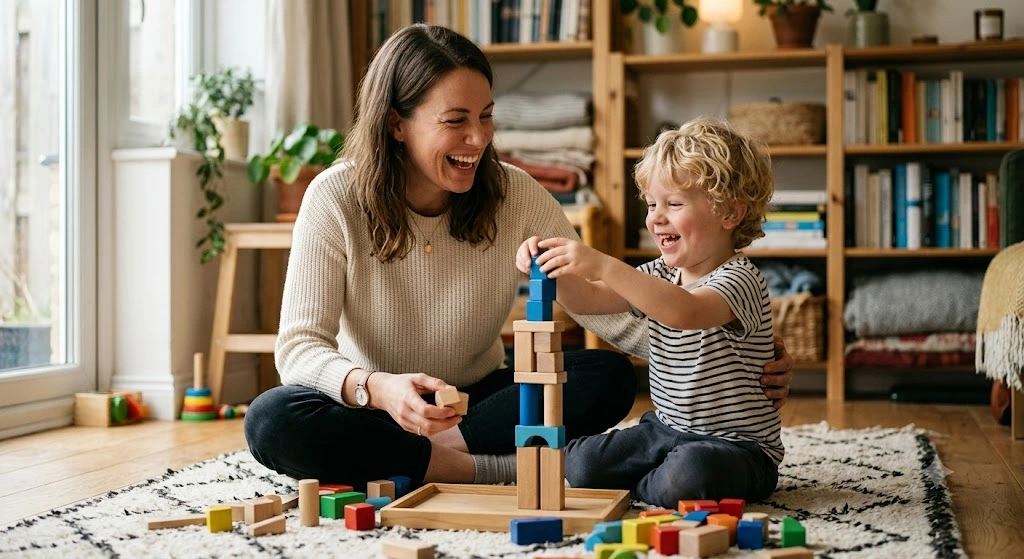
DIRFloortime® is a developmental, relationship-based approach that supports individuals in building meaningful connections, emotional regulation, and communication skills. The “DIR” in DIRFloortime® stands for Developmental, Individual-differences, and Relationship-based, three core components that shape this evidence-based framework. Developed by Dr. Stanley Greenspan and Dr. Serena Wieder, DIRFloortime® recognises that each child is unique and requires a personalised approach to nurture their growth and development (Greenspan & Wieder, 1998).
Developmental
The developmental component focuses on understanding where a child is in their social-emotional and sensory-motor development. It involves identifying the child’s capacity to engage, communicate, and think critically. The DIR model outlines Functional Emotional Developmental Capacities (FEDCs), which provide a roadmap for fostering skills such as shared attention, emotional engagement, and complex problem-solving (Wieder &
Greenspan, 2003).
Individual-differences
Individual-differences highlight the unique ways each child experiences and processes the world around them. Factors like sensory preferences, motor skills, and communication styles play a crucial role in shaping interactions and learning. By understanding and respecting these differences, therapists and caregivers can tailor their approach to support the child’s specific needs (Greenspan, 2001).
Relationship-based
The relationship-based component underscores the importance of nurturing safe, trusting relationships to support development. Through meaningful interactions with caregivers, therapists, and peers, children build confidence and learn to navigate social environments. Relationships act as the foundation for growth, encouraging the child to explore, take risks, and engage in back-and-forth communication (Wieder & Greenspan, 2003).
DIRFloortime® in Practice
At The Whole Child Connection, we embrace the DIR model to create personalised, neuroaffirming interventions that honour each child’s unique developmental journey. By focusing on their individual strengths and fostering genuine relationships, we aim to empower children with the tools to thrive socially, emotionally, and academically.
References:
- Greenspan, S. I., & Wieder, S. (1998). The Child with Special Needs: Encouraging Intellectual and Emotional Growth. Addison-Wesley.
- Greenspan, S. I. (2001). The Growth of the Mind and the Endangered Origins of Intelligence. Da Capo Press.
- Wieder, S., & Greenspan, S. I. (2003). Climbing the symbolic ladder in the DIR model through floor time/interactive play. Autism: The International Journal of Research and Practice, 7(4), 425–435.
Would you like to learn more about how DIRFloortime® can support your child’s
development? Get in touch with us at The Whole Child Connection!