DIRFloortime® is a developmental, relationship-based approach to supporting children with additional needs, particularly those with autism and other developmental challenges.
It focuses on understanding each child as a unique individual and building meaningful relationships that foster growth across developmental areas. DIR stands for Developmental, Individual-differences, and Relationship-based. These threecomponents guide the philosophy behind this model:
- Developmental: Recognising the developmental milestones children naturally progress through, such as emotional regulation, problem-solving, and abstract thinking.
- Individual-differences: Understanding that every child has unique sensory, motor, and communication preferences, which shape how they interact with the world.
- Relationship-based: Prioritising warm, responsive relationships that provide a safe foundation for children to explore and grow.
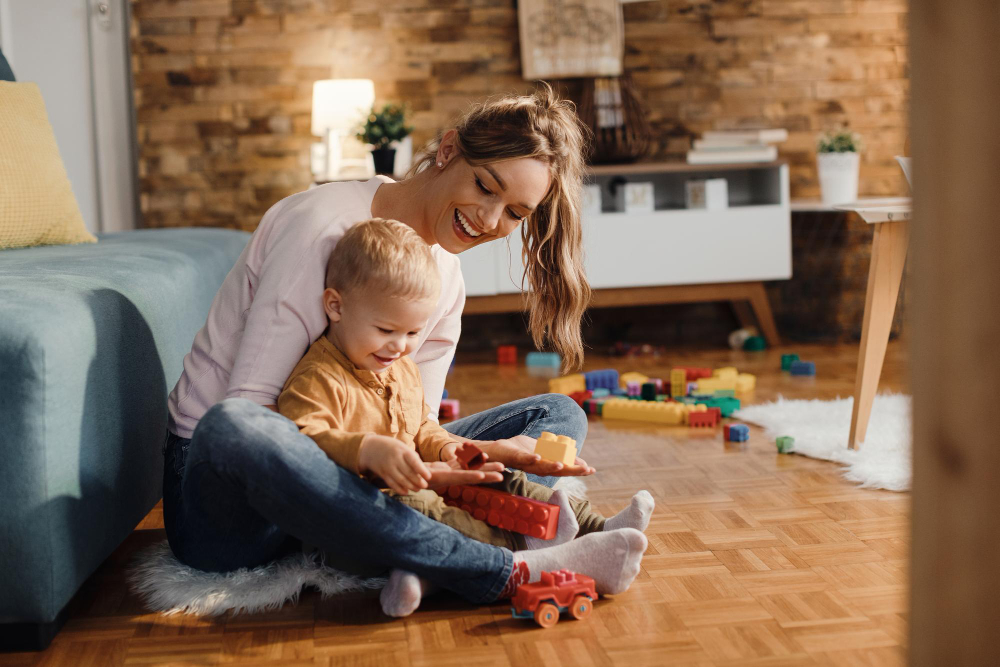
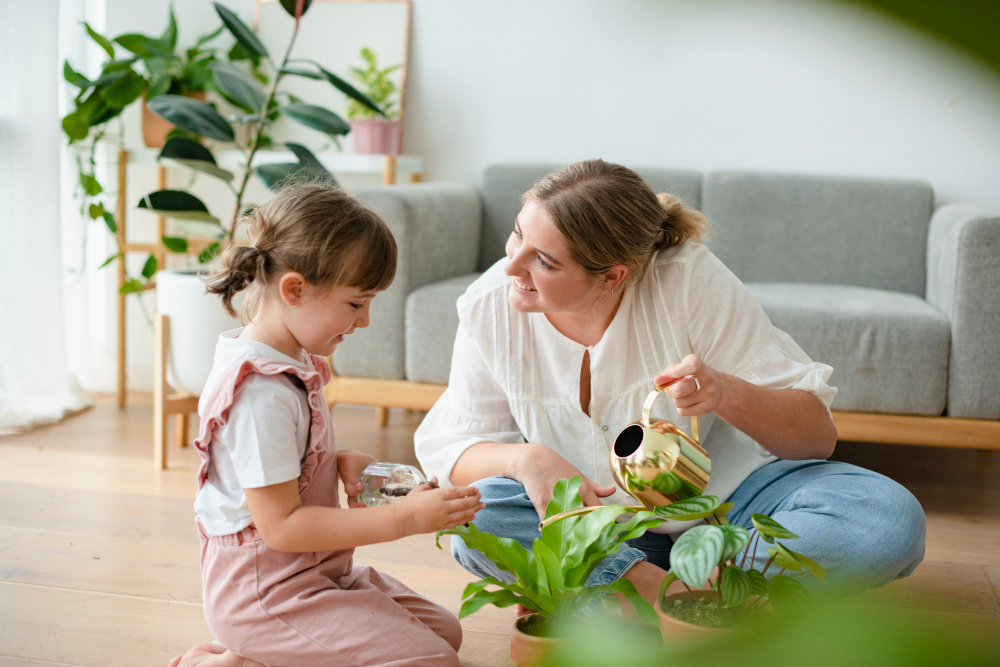
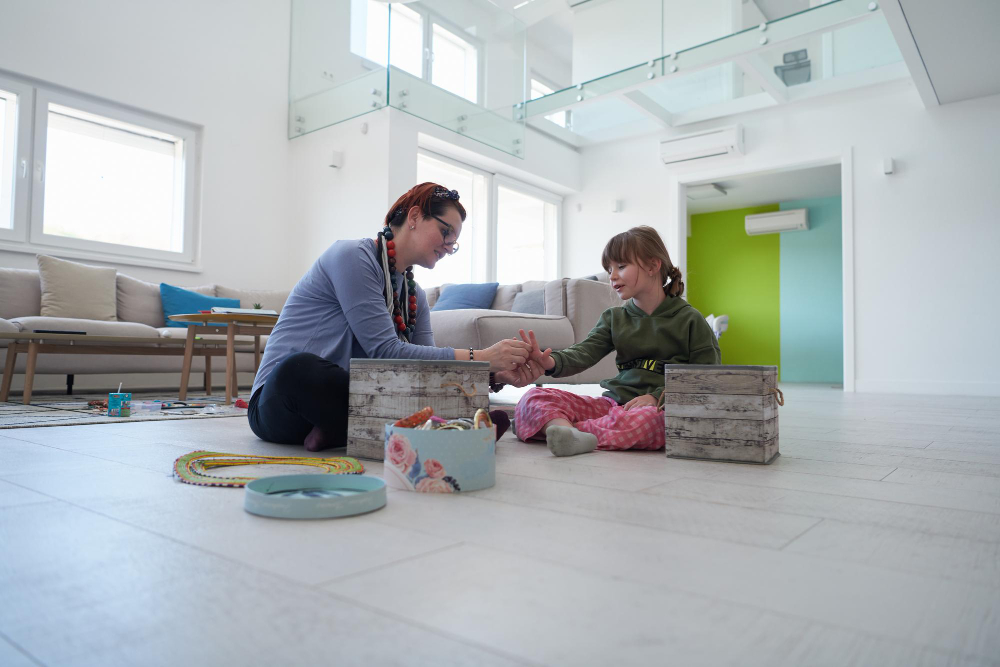
Floortime is the practical side of DIR, where therapists, caregivers, and educators follow the child’s lead in play and interaction, joining them in their world to build engagement and communication. This playful yet purposeful approach aims to expand the child’s circles of communication and foster higher-level thinking skills (Greenspan & Wieder, 1998).
Why DIRFloortime®?
Unlike other intervention models that might focus on reducing behaviours, DIRFloortime®
looks deeper. It seeks to understand the “why” behind behaviours and supports emotional and relational development in a respectful, child-centred way. It empowers children to form meaningful connections, express themselves, and navigate social environments more effectively.
What Does a DIRFloortime® Session Look Like?
A typical session involves meeting the child where they are developmentally and
emotionally. For instance, if a child is fixated on spinning a toy car’s wheels, the adult may mirror the action or make playful comments to spark engagement. Gradually, the adult introduces new ideas and challenges to promote back-and-forth interactions and problem solving skills.
Evidence and Effectiveness Research supports the effectiveness of DIRFloortime® in
improving communication, emotional regulation, and social skills (Solomon et al., 2014). The approach is widely recognised for its emphasis on emotional connection as the foundation for learning and growth.
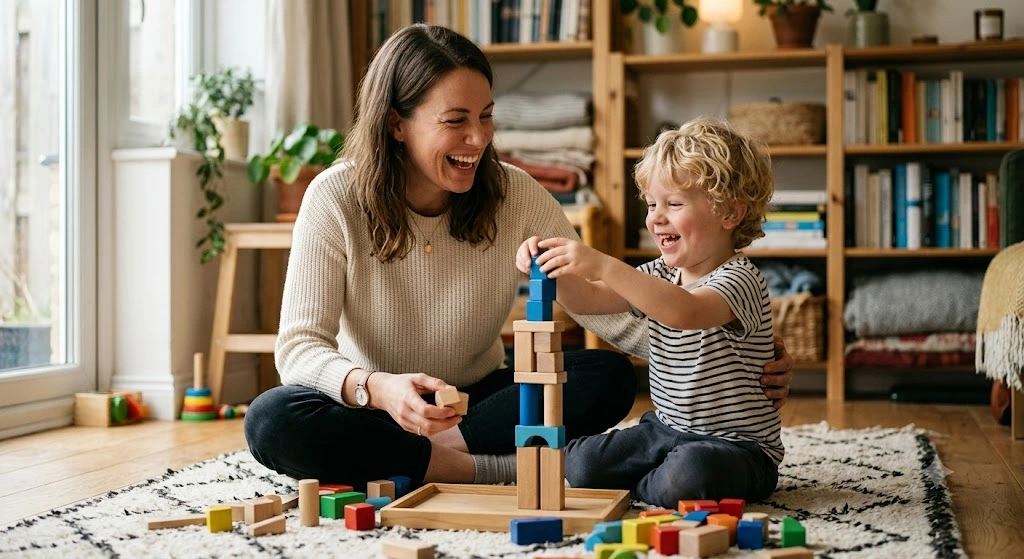
At The Whole Child Connection, we integrate DIRFloortime® into our practice to nurture each child’s potential through connection, play, and understanding. Whether through building towers, exploring mud kitchens, or sharing smiles over a bubble-blowing session, we believe every interaction is an opportunity for growth.
References:
- Greenspan, S. I., & Wieder, S. (1998). The Child with Special Needs: Encouraging
Intellectual and Emotional Growth. Da Capo Press. - Solomon, R., Necheles, J., Ferch, C., & Bruckman, D. (2014). Pilot study of a parent training programme for young children with autism: The PLAY Project Home
Consultation programme. Autism, 18(6), 691–701.
Interested in learning more about DIRFloortime® and how we implement it at The Whole Child Connection? Get in touch with us — we’d love to hear from you!