Supporting the Development of Higher FEDCs Through Play
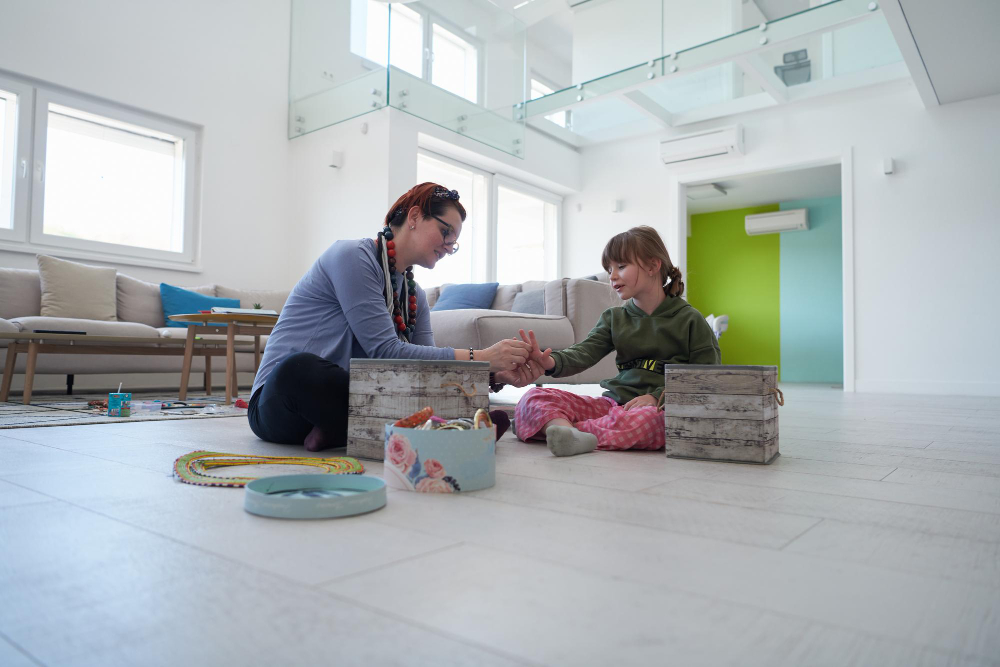
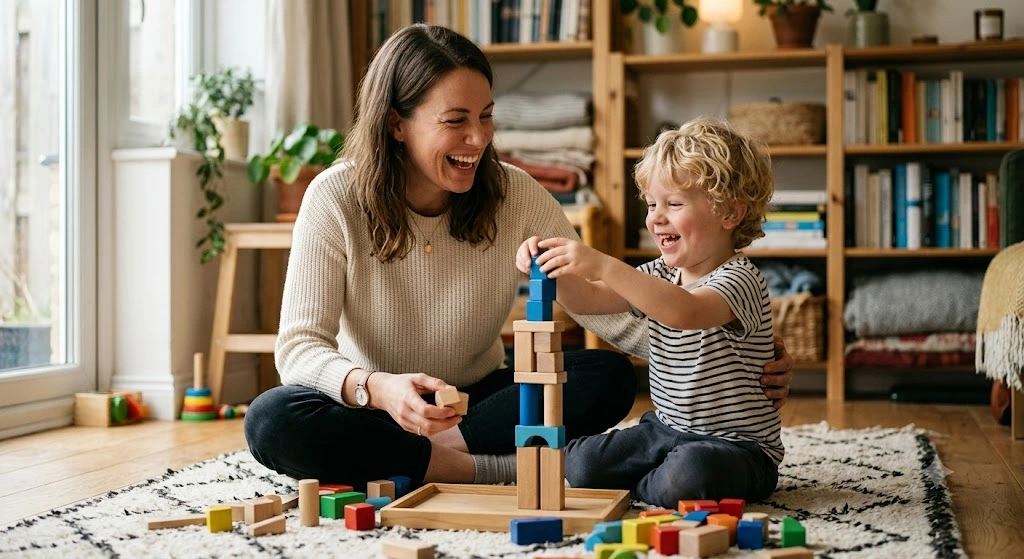
At the heart of DIRFloortime® is the understanding that children learn best through meaningful, emotionally connected interactions. One of the most powerful ways we support this development is through role play.
Role play is more than “pretend play.” It is a window into a child’s thinking, emotions, relationships, imagination, and ability to connect ideas together. Through playful shared stories and characters, children begin developing the higher Functional Emotional Developmental Capacities (FEDCs) — especially FEDCs 4 to 6 and beyond.
What does role play look like?
Role play can look very different depending on the child’s interests and developmental stage:
- Family play with dolls or animal figures
- Superheroes rescuing each other
- Pretending to be doctors, teachers, shopkeepers, or animals
- Recreating scenes from favourite movies or shows
- Plushies going on adventures
- Battles, disasters, “goodies vs baddies,” or rescue missions
- Imaginary worlds with castles, trains, restaurants, or schools
In DIRFloortime®, we join the child’s ideas rather than directing the play. We follow their lead while gently expanding the interaction and emotional thinking.
How role play supports higher FEDCs
FEDC 4 — Shared Social Problem Solving
During role play, children practise:
- Back-and-forth communication
- Reading another person’s cues
- Negotiating ideas
- Solving problems together
- Staying connected during emotional moments
For example:
- “Oh no, the dragon is trapped — what should we do?”
- “The baby is sad because mum left. How can we help?”
These playful challenges help children stay engaged in longer circles of communication and flexible thinking.
FEDC 5 — Emotional Ideas
This is where pretend play becomes especially important.
Children begin using symbols and imagination to represent feelings, wishes, fears, and experiences. A child may not directly say:
- “I feel scared,”
but they may create: - a monster attacking the family,
- a toy getting lost,
- a character who needs rescuing.
Through role play, children can safely explore emotions in a way that feels manageable and playful.
We often see children:
- express themes of control, safety, power, nurturing, fairness, or belonging,
- replay experiences they are trying to understand,
- experiment with different emotional roles,
- build confidence in expressing themselves.
This symbolic emotional thinking is a key part of higher FEDC development.
FEDC 6 — Emotional Thinking and Connecting Ideas
As play becomes more complex, children begin linking ideas together logically and emotionally.
They may:
- create multi-step storylines,
- explain why characters feel a certain way,
- predict outcomes,
- negotiate changing scenarios,
- think about another person’s perspective,
- connect actions with consequences.
For example:
“The dinosaur is angry because nobody listened to him, so he smashed the bridge. Now they need to fix it together.”
This type of thinking lays important foundations for:
- conversation skills,
- empathy,
- flexible thinking,
- emotional regulation,
- literacy and storytelling,
- social relationships,
- problem solving.
Why we do not focus on “correct” play
In DIRFloortime®, there is no “right” way to pretend.
A child lining up characters, repeating themes, crashing toys, or replaying the same story over and over is still communicating something meaningful. Rather than stopping the play, we become curious about:
- the emotional meaning behind it,
- the child’s developmental capacities,
- how we can join and expand the interaction.
Our goal is not to make play look “normal.”
Our goal is to build connection, emotional growth, thinking, and joyful engagement.
The adult’s role in DIRFloortime® role play
Adults are not there to control the story or quiz the child. Instead, we:
- follow the child’s lead,
- enter their imaginative world,
- support regulation and connection,
- add small playful challenges,
- model emotional thinking,
- help expand ideas without taking over.
Sometimes the most powerful moments happen when an adult simply stays emotionally present inside the child’s play.
Why role play matters
Role play helps children practise being:
- connected,
- flexible,
- imaginative,
- emotionally expressive,
- thoughtful,
- resilient,
- and socially engaged.
Through playful stories and shared imagination, children are not “just playing” — they are building the foundations for relationships, learning, emotional wellbeing, and higher-level thinking.