Social Thinking® is a cognitive-behavioural approach that helps individuals understand and navigate the social world. Developed by Michelle Garcia Winner in the late 1990s, this methodology is particularly beneficial for children and adults with social learning challenges, such as Autism Spectrum Disorder (ASD), Attention Deficit Hyperactivity Disorder (ADHD), social communication disorders, and other related conditions (Winner, 2007).
What is Social Thinking®?
At its core, Social Thinking® is about understanding the thoughts, feelings, and intentions of others in social contexts. It teaches that social interactions require more than just knowing the right words to say; they involve interpreting the unspoken rules of communication and recognising how our actions impact those around us.
Social Thinking® is built on the premise that social skills are not isolated behaviours but rather complex processes that involve interpreting social cues, perspective-taking, and adapting our behaviour accordingly (Winner & Crooke, 2011).
Why is Social Thinking® Important?
Social Thinking® helps children develop essential life skills, such as:
- Understanding that people have different thoughts and feelings.
- Recognising how their actions affect others.
- Navigating group dynamics and building friendships.
- Problem-solving in social situations.
These skills are crucial not only for making friends but also for succeeding in school, at work, and in daily life.
Key Concepts in Social Thinking®
At The Whole Child Connection, we believe in taking a neuroaffirming approach by recognising and celebrating each child’s unique way of thinking and experiencing the social world. Rather than teaching compliance or masking, we aim to empower children with tools to understand themselves and others better. Core concepts include:
- Social Detective: Encouraging children to become curious about social situations, interpret clues, and make sense of what’s happening around them in a way that aligns with their own perspectives.
- Expected and Unexpected Situations: Shifting the focus away from “right” and “wrong” behaviours, we help children understand the impact of actions in different contexts, recognising that everyone’s expectations may differ.
- Flexible Thinking: Supporting children to explore different ways of thinking and problem-solving, while respecting their natural preferences and offering strategies to navigate changes and challenges.
- Perspective-Taking: Promoting understanding that others may have different thoughts, feelings, and perspectives, while validating the child’s own point of view as equally valuable.
Curriculum Tools
At The Whole Child Connection, we use engaging curricula like We Thinkers! and Superflex to support children’s social learning. We Thinkers! introduces young children to core social concepts through stories and play-based activities, helping them develop foundational skills like perspective-taking and collaborative problem solving. Superflex uses fun, superhero-themed narratives to teach flexible thinking and self regulation, empowering children to recognise and manage their thoughts, feelings, and actions in social situations.
What Does a Social Thinking Session Look Like?
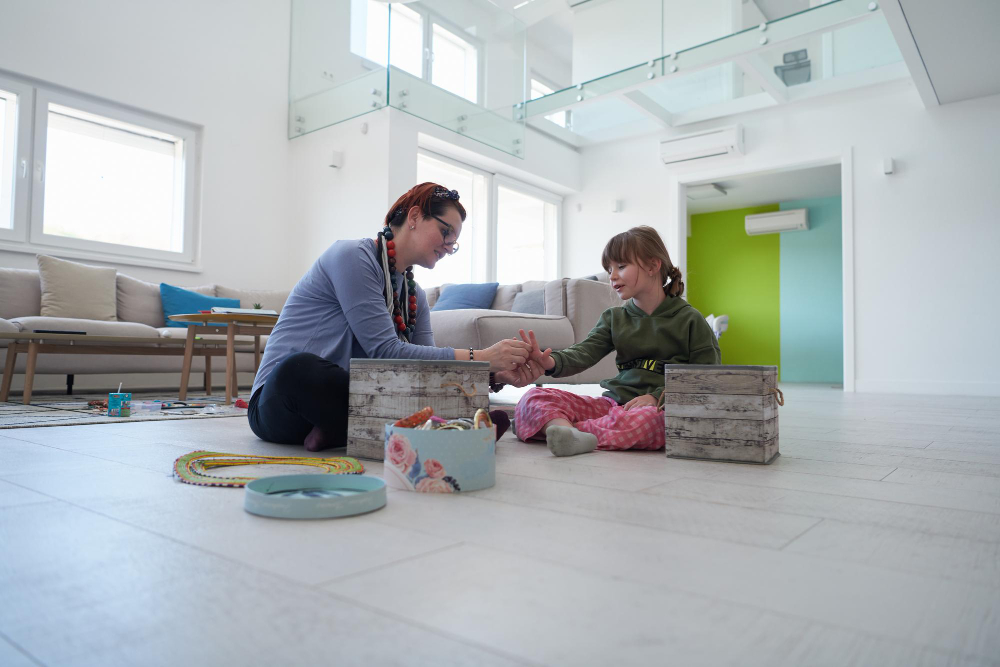
In a typical individual session, a therapist tailors activities to the child’s interests and unique social learning goals. The session may include storytelling, using visual supports like thought bubbles and emotion charts, and engaging in role-play to practise navigating different social situations. The therapist works closely with the child to help them interpret social cues, understand emotions, and build confidence in expressing themselves.
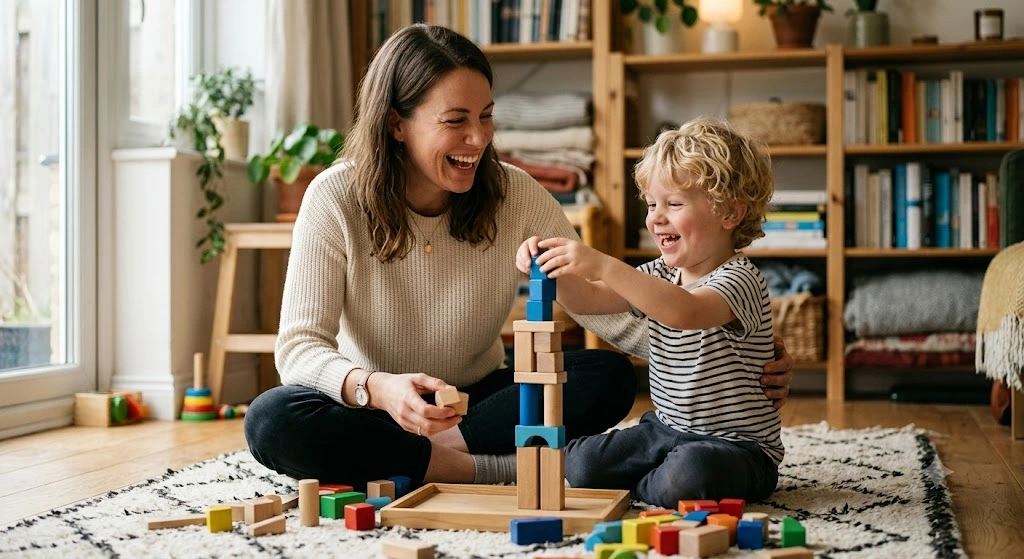
In a group session, children have the opportunity to learn and practise these skills with their peers in a supportive environment. Activities might include group games, collaborative problem-solving tasks, and guided discussions that encourage children to explore different perspectives and understand the impact of their actions within a social context. Group sessions provide a safe space to build friendships, navigate group dynamics, and learn from each other’s experiences.
Evidence and Effectiveness
Research suggests that Social Thinking interventions can improve social communication skills in children with social learning challenges (Crooke et al., 2008). By focusing on the underlying cognitive processes behind social interactions, this approach helps children generalise these skills across different environments.
At The Whole Child Connection, we incorporate Social Thinking principles through a neuroaffirming lens, embracing each child’s unique way of experiencing and engaging with the social world. We focus on building meaningful connections and celebrating differences while empowering children with the tools they need to thrive socially, emotionally, and academically. Our aim is to create a safe, supportive environment where children feel accepted, understood, and confident in who they are.
References:
- Winner, M. G. (2007). Thinking About You Thinking About Me (2nd ed.). Think Social Publishing.
- Winner, M. G., & Crooke, P. J. (2011). Social Thinking at Work: Why Should I Care?
Think Social Publishing. - Crooke, P. J., Hendrix, R. E., & Rachman, J. Y. (2008). Brief report: Measuring the
effectiveness of teaching Social Thinking to children with Asperger syndrome and
high functioning autism. Journal of Autism and Developmental Disorders, 38(3), 581–591.
Want to learn more about how we use Social Thinking at The Whole Child Connection?
Reach out to us — we’d love to hear from you!