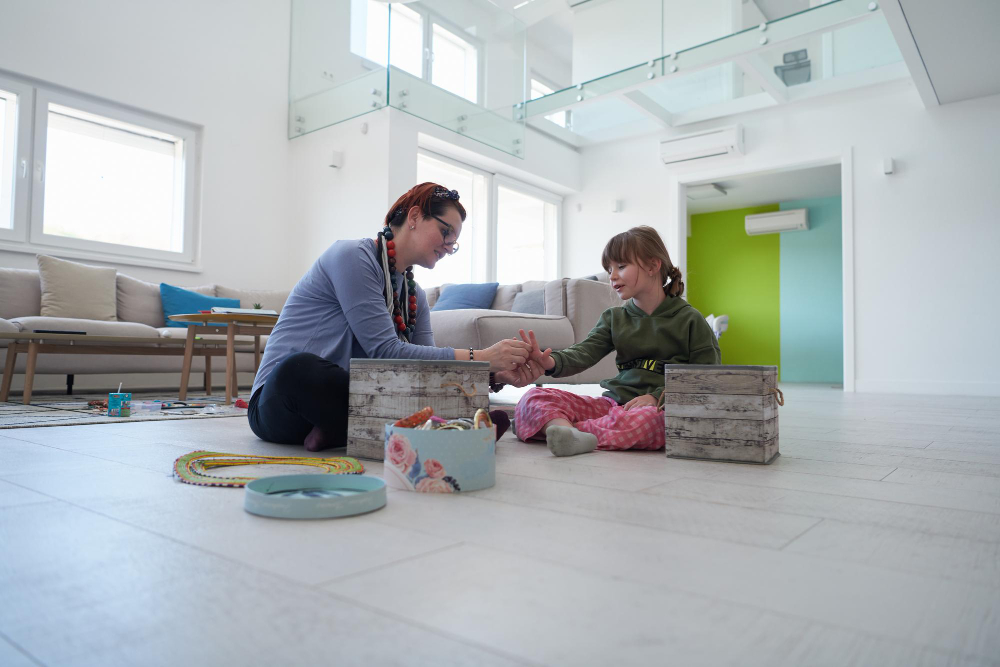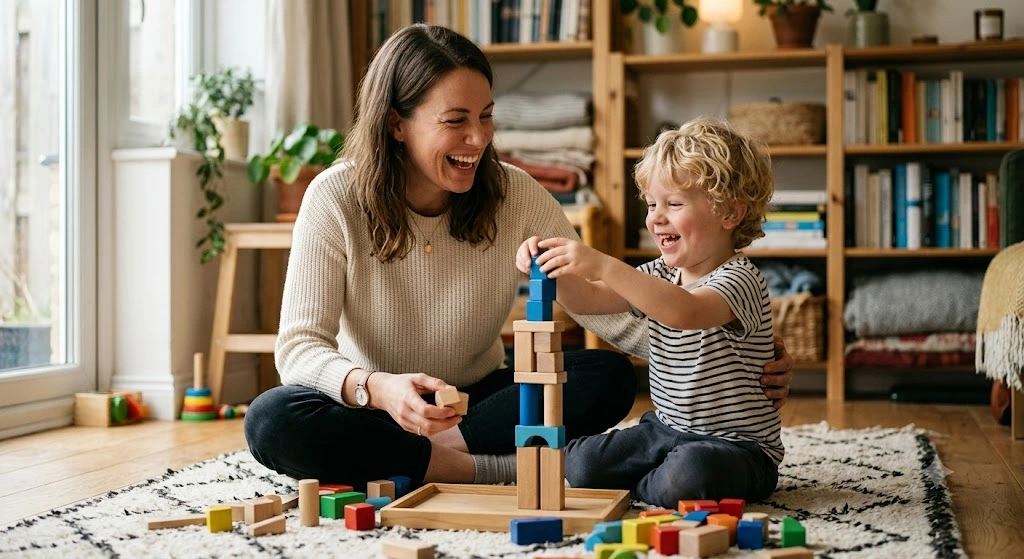
A lot of families wonder what therapy sessions look like for children in the earlier stages of development.
And honestly, for children working within the lower FEDCs, sessions can look very simple from the outside. There may not always be obvious “tasks”, structured activities, or verbal conversations happening. But within those small moments, incredibly important developmental foundations are being built.
For children working on FEDCs 1–3, the focus is often on helping them feel regulated, connected, and engaged with another person. Before higher-level skills can develop, children first need to feel safe enough to share attention, enjoy interactions, communicate intentionally, and stay emotionally connected during play.
Let me share a recent kindergarten session that really highlighted the importance of these early foundations.
I currently support a non-speaking three-year-old who has grown in leaps and bounds since beginning DIRFloortime® sessions last August. As he is still settling into a new kindergarten environment, one of my main goals right now is helping him feel confident exploring his learning space and engaging with the toys and play opportunities already available in the room.
I arrived prepared with familiar materials linked to his interests, but my plan was always to follow his lead.
When I walked in, he was deeply engaged in mulch play at the tuff tray. Instead of redirecting him, I joined his play by copying his actions and adding small playful ideas like making “rain” fall onto a dinosaur. He looked toward my play and then copied the action himself. Soon after, real rain started outside, and he followed my pointing to look toward it before happily walking into the rain with his hands raised.
Later, we transitioned into water play indoors with bubbles, babies, and washers. He stayed deeply engaged throughout the interaction, laughed more than usual, vocalised frequently, and increasingly sought me out during play. At several points, he intentionally grabbed my hands to help scoop bubbles with him and pulled my arm back when I playfully teased the bubbles away.
To some people, this may have looked like “just playing with mulch and bubbles”.
But within those moments, we were working on shared attention, imitation, regulation, sensory engagement, circles of communication, emotional connection, and intentional interaction.
There was also a moment where he became upset when I briefly stepped away, but he was able to co-regulate once I returned and calmly rejoined the activity. For me, that reflected growing trust, connection, and relational safety.
That is often what DIRFloortime® looks like for children in the lower FEDCs.
It’s not about rushing children into performance before the foundations are there. It’s about meeting them where they are developmentally and using connection, play, and shared experiences to help them engage more meaningfully with the world around them.