DIR® is the framework. Floortime® is one way we bring it to life.
Many families hear the terms DIR® and Floortime® used together and understandably think they mean the same thing.
While they are closely connected, they are actually two different things.
Understanding the difference can help parents see that DIR is not only something that happens during a therapy session — it is a way of understanding and supporting your child throughout everyday life.
What is DIR®?
DIR® stands for:
- D — Developmental Capacities
- I — Individual Differences
- R — Relationships
DIR® is the developmental framework that guides how we understand and support children.
It helps us think about:
Developmental Capacities (D)
Where is my child in their developmental journey? What skills are they currently building?
This may include:
- regulation and attention,
- engagement and connection,
- communication,
- problem solving,
- emotional thinking,
- and social relationships.
Individual Differences (I)
How does my child uniquely experience the world?
This includes understanding:
- sensory preferences,
- communication style,
- motor abilities,
- emotional responses,
- interests,
- and how they process information.
Relationships (R)
How do we use our relationship with the child as the pathway for growth?
Children develop through meaningful, responsive relationships where they feel safe, understood, and connected.
DIR® helps us understand who the child is, where they are developmentally, and how we can best support them.
What is Floortime®?
Floortime® is one way of applying the DIR® framework.
It is a relationship-based play approach where adults:
- follow the child’s lead,
- join their interests,
- create shared experiences,
- and build back-and-forth interactions.
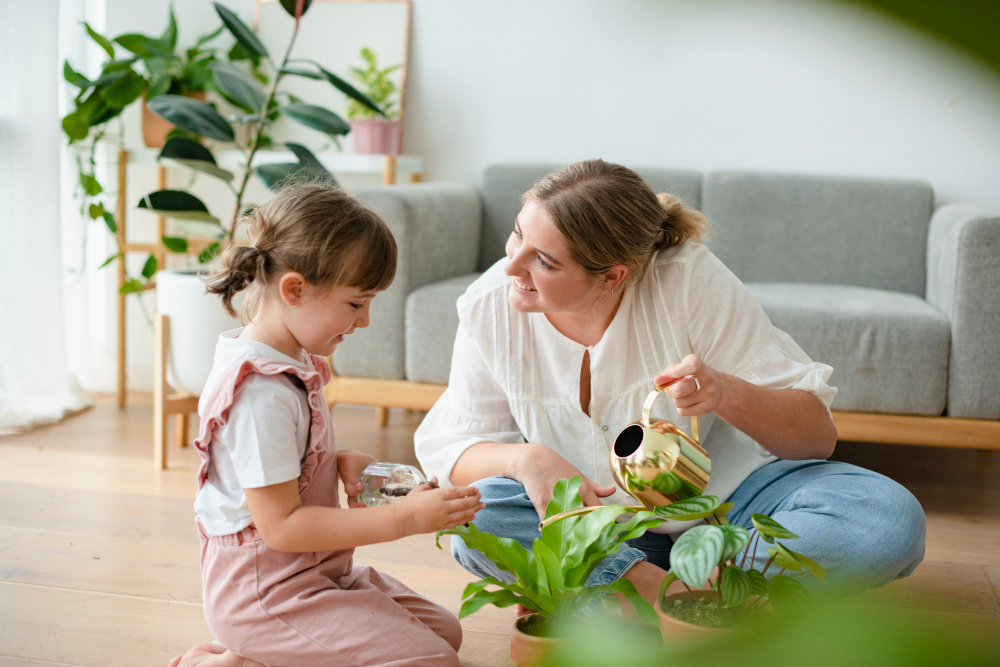
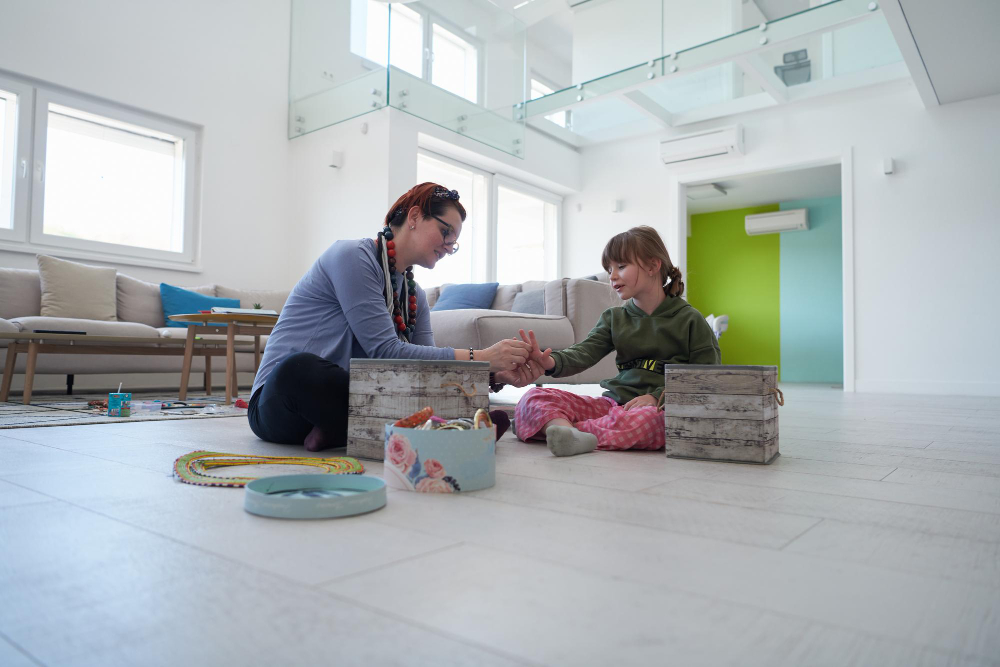
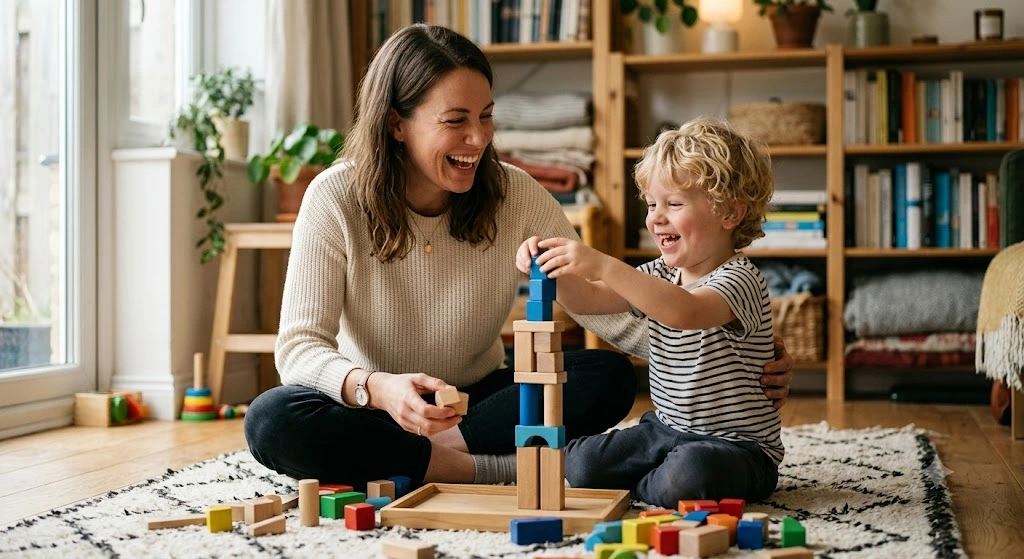
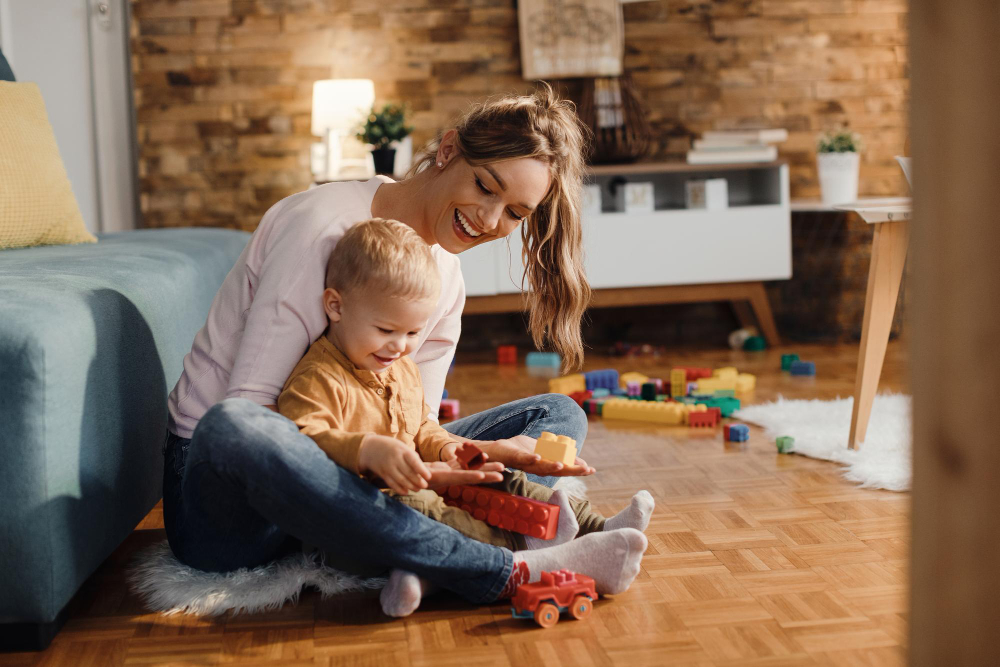
Floortime often happens through play on the floor, but it is not limited to sitting on the floor with toys.
The “floor” represents joining your child in their world.
One Floortime activity using the DIR framework
A simple example:
Bubble Play
At first glance, blowing bubbles may seem like just a fun activity.
But when we apply the DIR framework, it becomes a meaningful developmental opportunity.
Development (D):
Consider your child’s current developmental capacity.
For a child working on early communication, you might:
- pause before blowing bubbles,
- wait for a look, gesture, sound, or request,
- encourage back-and-forth interaction.
For a child developing higher capacities, you might:
- create playful challenges,
- take turns,
- problem solve together,
- or create a story around the bubbles.
Individual Differences (I):
Consider how your child experiences bubbles.
Some children may love:
- movement,
- anticipation,
- visual tracking,
- chasing and popping.
Others may need:
- slower pacing,
- less sensory intensity,
- more time to observe before joining.
You adjust the activity based on your child’s unique needs.
Relationships (R):
The most important part is the connection.
You:
- share the excitement,
- notice their reactions,
- laugh together,
- wait for their communication,
- and enjoy the moment together.
The goal is not “blow 10 bubbles.”
The goal is building connection and shared joy.
DIR can be used throughout everyday life
The DIR framework is not only for structured play.
It can guide everyday interactions such as:
Mealtimes
- noticing your child’s interests,
- sharing conversation,
- encouraging participation.
Getting dressed
- turning routines into playful interactions,
- supporting independence,
- connecting through humour.
Bath time
- singing songs,
- creating anticipation,
- sharing enjoyment.
Walking to the park
- following your child’s curiosity,
- talking about what they notice,
- sharing experiences.
Bedtime
- reading stories,
- talking about the day,
- supporting emotional connection.
Every interaction is an opportunity to understand your child and support their development.
The heart of DIR®
DIR® is not about completing activities or teaching skills in isolation.
It is about understanding that children develop through relationships, emotional connection, and meaningful interactions.
Floortime is one beautiful way to practise this.
But the DIR framework can be carried with you everywhere — into play, routines, conversations, and everyday moments.
Because when we understand the Developmental capacities of our child, respect their Individual differences, and build through Relationships, we create the foundation for lifelong growth.
DIR® is the framework. Floortime® is one way we bring that framework to life.