A collaborative approach that brings therapy into your child’s everyday life
Choosing supports for your child can sometimes feel overwhelming. Many families find themselves coordinating multiple appointments with different therapists, each with their own recommendations and goals.
The Key Worker model offers a more connected approach.
Instead of multiple professionals working separately, a Key Worker becomes the main person supporting your child and family, while collaborating with other specialists to ensure your child’s needs are understood and supported.
The focus is on making therapy meaningful, practical, and achievable within your child’s everyday life.
What is a Key Worker?
A Key Worker is your family’s main support person throughout your child’s early intervention journey.
They work closely with your child to understand their:
- strengths,
- interests,
- developmental profile,
- communication style,
- sensory needs,
- and goals that are meaningful to your family.
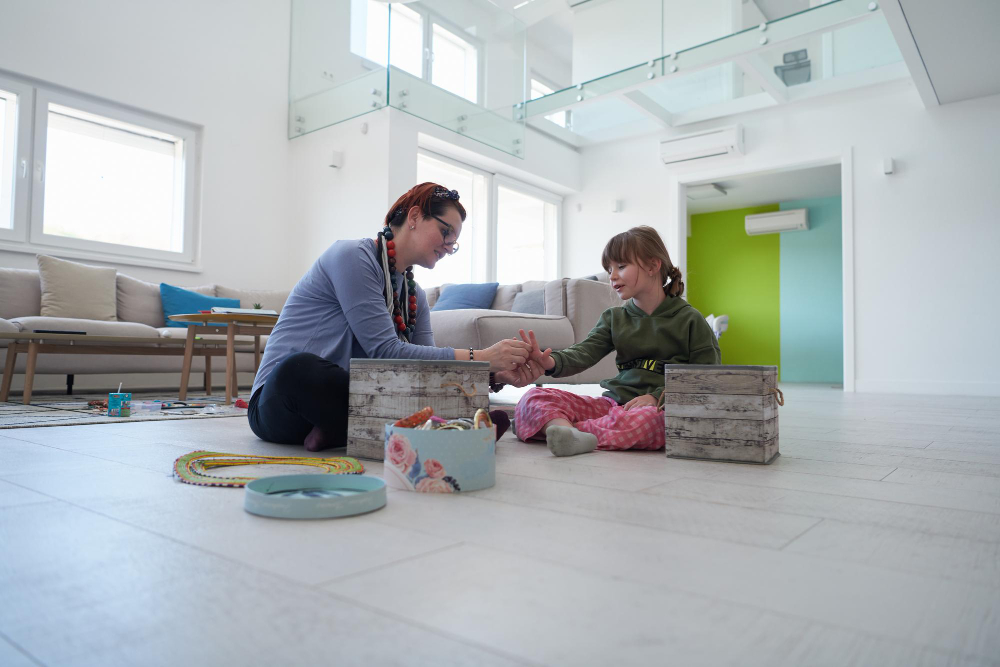
Your Key Worker then implements your child’s intervention plan during regular sessions, embedding strategies into play, routines, and everyday activities.
Rather than therapy only happening during a scheduled appointment, your child’s goals are supported consistently across their week.
How does the Key Worker work with other professionals?
A Key Worker does not replace the expertise of other disciplines.
Instead, they work collaboratively with professionals such as:
- Occupational Therapists,
- Speech Pathologists,
- Physiotherapists,
- Psychologists,
- or other specialists where needed.
These professionals provide their clinical expertise by:
- completing assessments,
- identifying goals and strategies,
- developing treatment recommendations,
- providing guidance to the Key Worker,
- and reviewing progress together.
The Key Worker then supports the implementation of these recommendations during ongoing sessions with your child.
For example:
An Occupational Therapist may identify goals around fine motor skills, sensory regulation, or independence.
The Key Worker then incorporates these strategies into everyday activities such as:
- play,
- drawing,
- dressing,
- meal preparation,
- or community activities.
This ensures therapy strategies are practised regularly and naturally, rather than only during occasional appointments.
What does the collaboration process look like?
A transdisciplinary approach involves ongoing communication and teamwork.
The process may look like:
1. Assessment and planning
Your Key Worker and other professionals work together to understand your child’s strengths, challenges, and priorities.
Together, they develop a coordinated plan focused on meaningful outcomes.
2. Implementation
Your Key Worker provides regular intervention sessions, using strategies recommended by the relevant professionals.
They observe how your child responds and how strategies work within everyday situations.
3. Ongoing check-ins and reflection
Your Key Worker regularly communicates with other professionals to:
- discuss progress,
- share observations,
- ask for further guidance,
- adjust strategies,
- and ensure the approach continues to meet your child’s needs.
4. Review and reassessment
As your child develops, goals and strategies are reviewed.
The team considers:
- what is working,
- what needs adjusting,
- new developmental priorities,
- and whether further assessment or specialist input is needed.
This ensures your child’s support remains responsive and individualised.
Do we still need other therapists involved?
Families always have choice and control over their child’s supports.
Some families may choose to have independent therapists provide regular direct sessions alongside their Key Worker.
Other families may choose a transdisciplinary Key Worker approach, where specialist therapists provide assessment, consultation, treatment planning, and ongoing review, while the Key Worker implements the strategies in regular sessions.
The best approach depends on:
- your child’s needs,
- your family’s priorities,
- the goals being worked towards,
- and what will provide the greatest benefit for your child.
How does this approach support NDIS funding?
The NDIS encourages supports that build family capacity and help children participate meaningfully in everyday environments.
The Key Worker model can help optimise funding by reducing duplication between services and ensuring strategies from different disciplines are integrated into one coordinated approach.
Instead of separate professionals working on isolated goals, your child has a connected team working together towards shared outcomes.
This allows more opportunities for your child to practise and develop skills throughout the week, not only during individual therapy appointments.
The parent’s role
Parents and caregivers are at the centre of this approach.
Your Key Worker partners with you to help you understand:
- why certain strategies are recommended,
- how to use them during everyday routines,
- and how to continue supporting your child’s development outside of sessions.
The goal is not for parents to become therapists.
The goal is for families to feel confident and empowered, knowing how to support their child in ways that naturally fit into family life.
Working together for meaningful outcomes
Children develop best when the adults around them are connected, informed, and working together.
The transdisciplinary Key Worker model brings together:
- specialist knowledge,
- family priorities,
- everyday experiences,
- and consistent support.
Together, we create opportunities for children to build skills, confidence, independence, and meaningful participation in the environments that matter most.