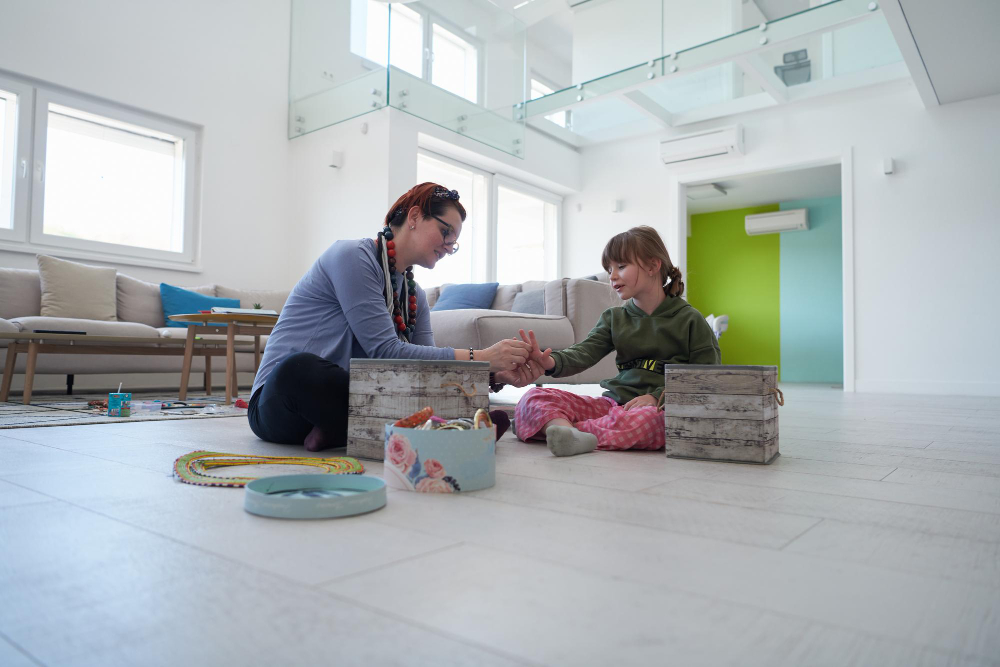
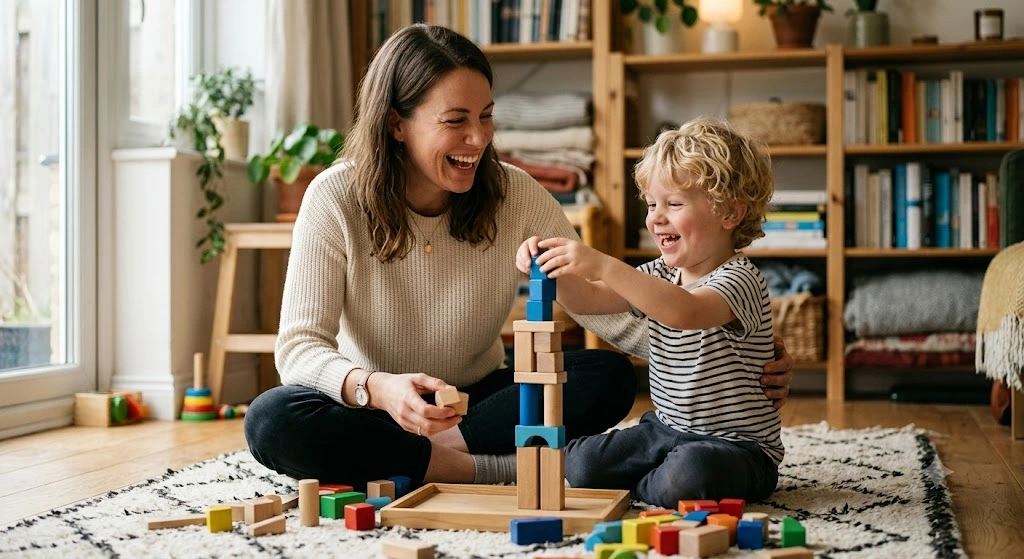
When we think about language development, we often focus on vocabulary and grammar. However, a crucial aspect of communication is pragmatic language — the social use of language. Pragmatic language encompasses the ability to use language appropriately in various social contexts, follow conversation rules, and interpret non-verbal cues. For some children, these skills develop naturally, while others require additional support. Recognising delays early can significantly improve a child’s social interactions and overall well-being.
Pragmatic Language in the Early Preschool Years
In the early preschool years (ages 2-5), pragmatic language skills are just beginning to emerge. Children start to engage in simple back-and-forth conversations, take turns while speaking, and use gestures and facial expressions to convey meaning (Owens, 2020). Delays at this stage may present as:
- Difficulty initiating or responding to greetings.
- Limited eye contact or joint attention.
- Struggles with turn-taking in conversations or group activities.
- Using language inappropriately, such as not adjusting tone or volume to suit the situation.
- Challenges in understanding simple social cues like pointing or following another’s
gaze.
Impact: Delays in pragmatic language during preschool years can make it harder for children to form friendships and participate in group play. They may become frustrated or withdrawn when they cannot effectively communicate their needs or understand others, potentially leading to behavioural challenges (Paul & Norbury, 2012).
Pragmatic Language in the Primary Years
As children enter the primary years (ages 5-11), social communication becomes increasingly complex. Pragmatic language skills now include storytelling, understanding jokes and sarcasm, and navigating peer relationships with greater nuance (Adams, 2002). Delays in this stage might look like:
- Difficulty staying on topic during conversations.
- Misinterpreting figurative language or indirect requests.
- Trouble understanding personal space and social boundaries.
- Limited ability to read body language or facial expressions.
- Challenges in negotiating, compromising, or resolving conflicts.
- Not taking interests in others and only talks about himself or his interests.
- Struggles with asking appropriate questions to sustain the conversation.
Impact: In primary school, children with pragmatic language delays may struggle to build friendships, work in teams, or comprehend group instructions. Misunderstandings in social situations can lead to feelings of isolation or being perceived as “different” by peers. Academically, they may find it hard to participate in group projects or classroom discussions, affecting overall learning and confidence (Leonard et al., 2011).
Why Early Support Matters
Supporting pragmatic language development is crucial for a child’s social and emotional well-being. Early intervention can teach children strategies to navigate social interactions, understand the perspectives of others, and build meaningful connections. Therapy sessions often involve role-playing, storytelling, and group activities that provide practical, real-life contexts for children to develop these skills.
At The Whole Child Connection, we recognise the importance of nurturing pragmaticlanguage skills as part of holistic child development. By identifying and addressing these challenges early, we empower children to engage confidently with their peers, express themselves effectively, and build a foundation for lifelong communication success.
If you notice your child struggling with social communication, seeking support can make a world of difference. Understanding pragmatic language is the first step toward creating a more connected, confident future for your child.
References:
- Adams, C. (2002). Practitioner review: The assessment of language pragmatics. Journal of Child Psychology and Psychiatry, 43(8), 973–987.
- Leonard, L. B., Miller, C. A., & Finneran, D. A. (2011). Grammatical morphology and discourse constraints in children with specific language impairment. Journal of Speech, Language, and Hearing Research, 54(5), 1529–1543.
- Owens, R. E. (2020). Language Development: An Introduction (10th ed.). Pearson.
- Paul, R., & Norbury, C. F. (2012). Language Disorders from Infancy through Adolescence: Listening, Speaking, Reading, Writing, and Communicating (4th ed.).
Elsevier Health Sciences.