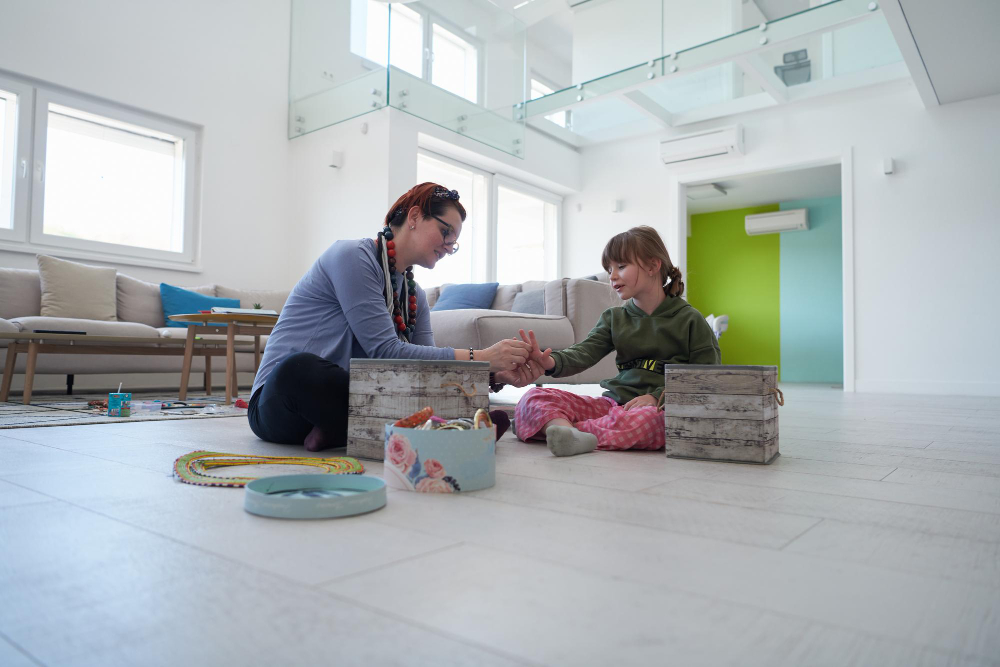
Every day, our brains process an incredible amount of sensory information — sights, sounds, smells, textures, and movements. For many children, especially those with sensory processing challenges, this can be overwhelming and affect their ability to engage, learn, and connect with the world around them. A sensory-based approach to therapy recognises the vital role that sensory experiences play in development and offers strategies to support children in regulating their sensory systems while fostering growth across emotional, social, and cognitive domains.
Understanding Sensory Processing
Sensory processing is how the nervous system receives, organises, and responds to sensory input. When a child has difficulties processing this information, it can lead to challenges with self-regulation, attention, motor skills, and social engagement (Ayres, 2005). For example, a child might be hypersensitive to loud noises or bright lights, or they might seek intense sensory input, such as spinning or jumping, to feel regulated.
Why is a Sensory-Based Approach Important?
A sensory-based approach to therapy recognises that behaviour is often a response to sensory needs, rather than intentional defiance or inattention. By identifying these needs and providing appropriate sensory input, therapists can help children feel more regulated and better able to engage in meaningful activities (Schaaf & Miller, 2005). Key benefits include:
- Regulation and Calmness: Sensory strategies like deep pressure, swinging, or fidget tools can help children achieve a calm, alert state, making it easier for them to focus
and learn. - Improved Social Engagement: When sensory needs are met, children are more available for social connection and communication.
- Skill Development: Sensory-rich activities support motor skills, coordination, and body awareness.
- Confidence and Independence: Understanding and managing sensory needs empowers children to advocate for themselves and navigate the world with greater confidence.
How DIRFloortime® Supports Sensory Integration
At The Whole Child Connection, we embrace the DIRFloortime® approach, which recognises the deep connection between sensory processing and emotional development. DIR (Developmental, Individual differences, and Relationship-based) Floortime honours each child’s unique sensory profile and uses playful, engaging interactions to build connections and support emotional growth (Greenspan & Wieder, 2006). By following the child’s lead and incorporating sensory activities tailored to their needs, therapists create meaningful opportunities for development in a way that feels safe, supportive, and fun.
Creating Sensory-Rich Experiences A sensory-based approach integrates activities that offer a range of sensory inputs, such as:
- Movement: Swinging, climbing, or balancing to support vestibular and
proprioceptive input. - Tactile Exploration: Playing with sand, water, or textured materials to build
tolerance and curiosity about different sensations. - Deep Pressure and Heavy Work: Activities like pushing, pulling, or squeezing provide calming proprioceptive input.
- Auditory and Visual Supports: Using music, soft lighting, or visual schedules to create a predictable environment that reduces sensory overload..
Empowering Children Through Sensory Awareness
Understanding and embracing a child’s sensory profile is not about eliminating challenges but equipping children with the tools they need to navigate the world on their own terms. At The Whole Child Connection, we believe that sensory-based therapy is not just about managing behaviours but about nurturing self-awareness, emotional regulation, and meaningful relationships.
References:
- Ayres, A. J. (2005). Sensory Integration and the Child: Understanding Hidden Sensory Challenges. Western Psychological Services.
- Schaaf, R. C., & Miller, L. J. (2005). Occupational therapy using a sensory integrative approach for children with developmental disabilities. Mental Retardation and Developmental Disabilities Research Reviews, 11(2), 143-148.
- Greenspan, S. I., & Wieder, S. (2006). Engaging Autism: Using the Floortime
Approach to Help Children Relate, Communicate, and Think. Da Capo Press.
Are you interested in learning more about how sensory-based therapy can support your
child’s growth and development? Get in touch with us at The Whole Child Connection — we’d love to chat!